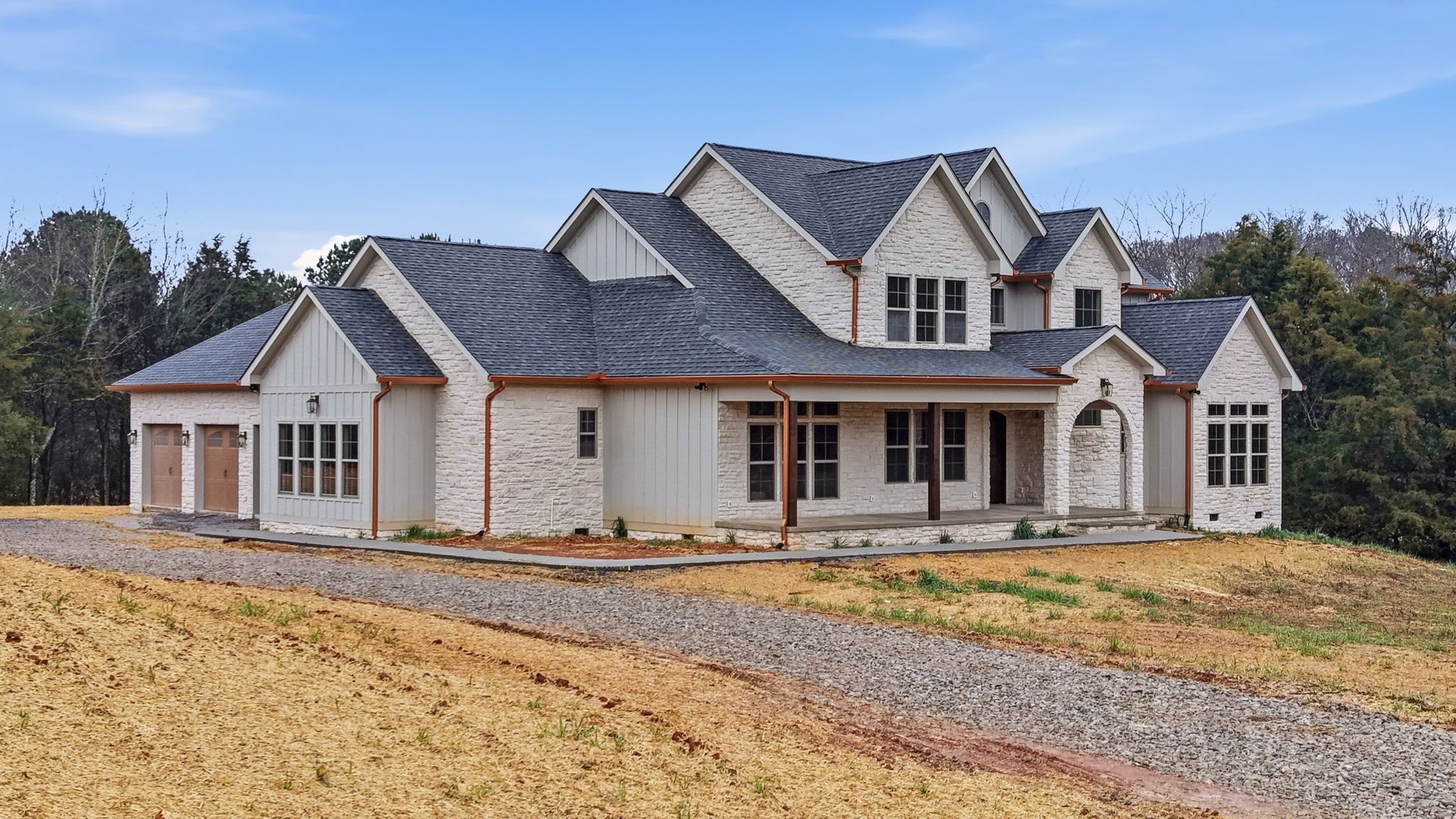
How to Work Effectively with a Project Manager When Building a Home
Building a home is a significant investment, both financially and emotionally. From selecting the right plot to choosing the finishes that will define your space, the process requires careful planning, coordination, and decision-making. While many homeowners focus on design and budget, the success of a construction project often hinges on the relationship between the homeowner and the project manager. A skilled project manager acts as the central hub, ensuring that every aspect of construction aligns with your vision, timeline, and quality standards. They anticipate potential issues, coordinate multiple teams, and provide expert guidance to navigate the complexities of construction. Learning how to collaborate effectively with a project manager is essential to achieving a smooth, stress-free home-building experience, while also safeguarding your investment and long-term satisfaction.
Establishing clear communication, mutual respect, and shared expectations from the outset can prevent costly mistakes, delays, and misunderstandings. Working effectively with a project manager involves more than just attending meetings or signing approvals; it requires active engagement, transparency, and trust. Understanding their role, responsibilities, and the challenges they face can help you become a proactive partner in your home construction journey. By fostering a collaborative environment, homeowners can contribute to informed decision-making, maintain project momentum, and ensure high-quality outcomes. This guide provides actionable strategies, expert insights, and practical advice for homeowners to build a productive, positive relationship with their project manager, ultimately ensuring a home that meets both functional and aesthetic expectations.
1. Understanding the Role of a Project Manager
What a Project Manager Does
A project manager in residential construction is responsible for overseeing the entire building process. They coordinate subcontractors, manage timelines, ensure quality control, handle permitting and inspections, and act as the primary point of contact between the homeowner and the construction team. Essentially, they are responsible for keeping the project on schedule, within budget, and aligned with your expectations.
Why Their Role Is Crucial
Without effective project management, even well-funded home construction projects can experience delays, miscommunications, or budget overruns. The project manager acts as the strategist and problem-solver, anticipating potential issues and mitigating risks before they escalate. Homeowners who understand the complexity of this role are better equipped to appreciate decisions made by the manager, reducing friction during the project.
Real-World Example
Consider a scenario where a homeowner selects premium countertops, but the subcontractor is unaware of the delivery schedule. Without the project manager’s oversight, installation could be delayed, affecting downstream tasks like cabinetry or plumbing finishes. By maintaining a central point of accountability, the project manager ensures such misalignments are avoided.
2. Establishing Clear Communication
Set Expectations Early
From the first meeting, it’s essential to establish clear communication expectations. Discuss how often updates will be provided, the preferred method of communication, and who should be contacted for specific questions. Setting these parameters ensures that both parties remain informed and reduces misunderstandings.
Use Structured Updates
Weekly progress reports, visual timelines, or shared project management software can help maintain transparency. These updates provide a clear snapshot of completed work, pending tasks, and any issues requiring attention. Homeowners who actively review and respond to updates contribute to a more streamlined workflow.
Active Listening and Feedback
Effective communication is a two-way street. Listening to the project manager’s advice, understanding their constraints, and providing timely feedback helps create a collaborative environment. For example, if the project manager recommends an alternative building material due to availability or cost, consider their reasoning carefully rather than dismissing it outright.
Example Scenario
Imagine a roofing material shortage occurs mid-project. A project manager who communicates this promptly, explains alternatives, and adjusts the schedule can prevent unnecessary stress for the homeowner. Conversely, a lack of timely updates could lead to delays, increased costs, and frustration.
3. Collaborating on Budget and Resources
Transparency in Budgeting
Sharing your budget early allows the project manager to make informed recommendations and prioritize spending effectively. A well-planned budget helps prevent scope creep and ensures that critical aspects of the home receive the necessary attention.
Understanding Cost Trade-offs
Homebuilding often requires balancing quality, functionality, and cost. A project manager can explain where compromises are feasible without sacrificing long-term value. For instance, selecting a durable, cost-effective flooring option might allow you to allocate more budget toward energy-efficient appliances or custom cabinetry.
Resource Management
Managing labor, materials, and subcontractor schedules is a core function of the project manager. Homeowners who respect this coordination can avoid last-minute changes that disrupt workflows. Providing timely approvals and avoiding impulsive changes keeps the project on track and reduces additional costs.
Practical Example
A homeowner wants to upgrade to a high-end lighting system but doesn’t factor in the installation complexity. By discussing options with the project manager, a solution can be found that balances quality and feasibility, such as installing smart lighting in priority areas first and planning a phased upgrade later.
4. Building Mutual Trust and Respect
Respecting Expertise
Project managers bring years of experience in construction, logistics, and problem-solving. Trusting their expertise while also providing input fosters a positive working relationship. Micromanaging or second-guessing every decision can lead to tension and inefficiency.
Be Proactive, Not Reactive
Proactive homeowners anticipate decisions that may require approval or clarification. Providing input on design choices, materials, and scheduling before critical milestones prevents last-minute issues and empowers the project manager to make informed adjustments.
Problem-Solving Together
Homebuilding will inevitably encounter challenges, whether due to weather delays, supply chain issues, or unforeseen structural complications. Approaching problems as partners rather than adversaries creates a collaborative environment where solutions are found efficiently.
Scenario in Practice
Suppose a delivery of custom windows is delayed due to manufacturing issues. A homeowner who trusts the project manager’s contingency plan and actively engages in alternative options—such as adjusting the installation sequence—can avoid unnecessary stress and additional costs.
5. Making Informed Decisions
Understand the Implications
Every decision during construction, from material selection to design changes, impacts cost, timeline, and quality. Collaborating with the project manager ensures that decisions are based on practical insights and real-world constraints.
Prioritize Key Decisions
Not all decisions have equal impact. Identify which choices are critical to the home’s function or aesthetic and focus attention there. Allow the project manager to handle routine or technical decisions, such as scheduling subcontractors or selecting standard fixtures, which frees you to concentrate on high-priority areas.
Documentation and Approvals
Documenting decisions through signed approvals, emails, or project management tools creates accountability and clarity. This practice prevents misunderstandings and ensures that all stakeholders are aligned throughout the construction process.
Real-Life Example
Changing the floor plan late in the project can create ripple effects, delaying electrical, plumbing, and framing work. By consulting with the project manager before finalizing such a decision, the homeowner can understand implications, explore alternatives, and implement changes without derailing the timeline.
6. Maximizing Home Quality and Personalization
Aligning Vision and Execution
A project manager translates your vision into actionable steps, coordinating teams to achieve the desired outcome. Providing detailed preferences, inspiration boards, or reference images helps ensure the finished home reflects your style and needs.
Quality Control Measures
Experienced project managers implement checkpoints at critical stages—foundation, framing, electrical, plumbing, and finishing—to maintain high standards. Actively participating in inspections, walkthroughs, and milestone reviews allows homeowners to ensure the project aligns with quality expectations.
Managing Change Orders
Changes are inevitable in home construction, but they must be handled efficiently to avoid delays and cost overruns. Working closely with the project manager to evaluate the necessity, timing, and budget impact of change orders ensures the home is tailored to your needs without compromising the schedule or quality.
Example in Practice
If you decide to upgrade to hardwood flooring mid-construction, the project manager can assess stock availability, delivery timelines, and installation logistics, integrating the change with minimal disruption to ongoing work. This collaborative approach ensures personalization without sacrificing project efficiency.
Experienced Professionals Committed to Quality Construction
Effectively working with a project manager requires clear communication, mutual respect, proactive engagement, and informed decision-making. By understanding their role, collaborating on budgets and timelines, and building trust, homeowners can navigate the complexities of residential construction with confidence. A strong partnership ensures that projects remain on track, meet quality standards, and align with the homeowner’s vision.
At Stone Harbor Homes, we understand that building a home is a significant journey that requires both expertise and collaboration. Based in Soddy-Daisy, Tennessee, with 20 years of experience in custom home construction, our team has guided countless homeowners through every step of the process, from planning to final walkthrough. We pride ourselves on our ability to seamlessly integrate project management, design, and construction expertise, ensuring that every detail of your home reflects your vision while adhering to the highest standards of quality.
Our project managers serve as your dedicated partners, coordinating resources, managing schedules, and providing proactive solutions to challenges that arise. By fostering open communication and transparency, we empower homeowners to make informed decisions while maintaining confidence in the construction process. Choosing Stone Harbor Homes
means working with a trusted, experienced authority that values your input and prioritizes your satisfaction. With our guidance, building your dream home becomes a structured, stress-free, and rewarding experience, delivering a finished product that exceeds expectations.